
How to Choose a Mobile App Development Company
A practical checklist for choosing a mobile app development company: tech stack questions, portfolio checks, code ownership, QA, launch and post-launch support.
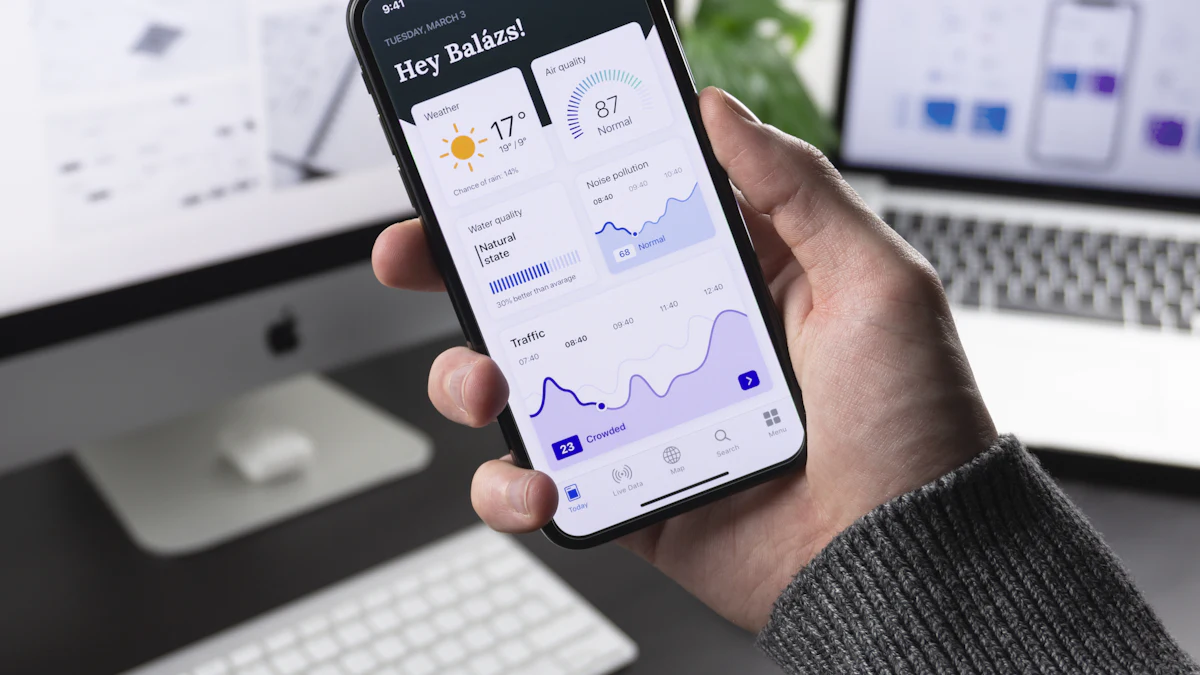
Knowing how to choose a mobile app development company comes down to three things: proven work you can inspect, a tech stack that fits your product, and a contract that leaves you owning the code. Everything else — sales decks, awards, office photos — is noise. This checklist is written for the people who actually sign the contract: founders, ops managers and CTOs comparing two or three vendors before a build starts.
Below you will find the questions to ask, the answers that should worry you, and the points worth putting in writing before any deposit is paid.
Define your app before you shortlist vendors
You cannot compare quotes until you know what you are buying. Before you contact anyone, write a one-page brief covering:
- The problem the app solves and who uses it (customers, field staff, partners).
- Must-have features for version one versus nice-to-haves.
- Whether you need iOS, Android, or both — and whether a PWA would do the job.
- Systems the app must talk to: your CRM, ERP, Shopify store, payment provider, internal database.
- Your budget range and the date you actually need it live.
A vendor who asks for this brief before quoting is a good sign. A vendor who quotes a fixed price from a two-line email is guessing, and you will pay for those guesses later as change requests.
Questions to ask about tech stack and platforms
Tech stack is where most projects quietly fail. Ask each vendor these questions and compare the answers side by side.
| Question | What a good answer sounds like | What should worry you |
|---|---|---|
| Cross-platform or native? | Explains the trade-offs and recommends based on your features, budget and team | Pushes one framework for every project regardless of fit |
| Which frameworks do you use? | Names real options — Flutter, React Native, Swift/SwiftUI, Kotlin/Jetpack Compose — and explains when each fits | "We use whatever you want" with no reasoning |
| How do you handle backend and APIs? | Talks about REST, GraphQL, webhooks, databases and hosting as part of the same plan | Treats the app as standalone and ignores your existing systems |
| Can you integrate with our tools? | Asks which CRM, ERP, store or accounting system you use and how data should flow | Says "sure" without asking what the systems are |
| Who publishes to the stores? | Explains App Store and Google Play review, signing keys and account ownership | Vague about who holds the developer accounts |
A full-service team should build with any mainstream technology and pick it to fit your needs, budget and existing systems — not because it is the only thing they know. If your app must feed data into Zoho, Salesforce, HubSpot or a Shopify store, ask how that integration will be built and tested.
The build-versus-buy question
Ask whether part of your app should be assembled from existing products rather than coded from scratch. A chatbot, a CRM sync or a store integration may already exist as a configurable product, which cuts cost and time. A partner who offers both custom builds and ready-made products can tell you honestly which is cheaper for your case. You can see how we split that work on our web and mobile development page.
Portfolio, references and code ownership
Anyone can show screenshots. Go deeper:
- Ask for two apps in production and install them yourself. Check crash reports in reviews, update frequency and how the app behaves on an older device.
- Ask for one reference you can call — not a logo wall, an actual contact who shipped with them in the last year.
- Ask who owns the code and the store accounts. The answer must be: you do. Get it in the contract, including the repository, signing keys, App Store and Google Play accounts, and any third-party service accounts.
- Ask what happens if you leave. A clean handover — documented code, credentials, environment setup — should be a standard clause, not a favour.
- Ask to see how they document. Request a sample of a technical spec or API document. If they cannot show one, expect the knowledge to live only in one developer's head.

How they handle timelines, QA and publishing
Delivery discipline separates agencies that ship from agencies that demo.
Timelines and process
Ask for a phased plan with dates: discovery, design, build, QA, store submission, launch. Then ask what happens when a phase slips. Good partners build buffer into the plan and tell you early when something moves. They should also be clear about how they work — sprints, weekly demos, a shared board you can see at any time.
QA and testing
Ask specifically:
- Which devices and OS versions do you test on?
- Do you test offline behaviour and poor network conditions?
- How are crashes and performance monitored after release?
- What is your process for regression testing when we add features later?
"We test on our own phones" is not a QA process.
Store publishing
App Store and Google Play reviews reject apps for predictable reasons: missing privacy disclosures, broken login flows, placeholder content. Ask how many apps the team has published and how they handle rejections. Publishing should be part of the quoted scope, not an extra you discover at the end.
Support and maintenance after launch
Launch day is the midpoint, not the finish line. iOS and Android release new versions every year, and third-party APIs change without warning. Before signing, agree on:
- A warranty period for bug fixes after launch, and what counts as a bug versus a new feature.
- A maintenance plan — monthly hours, response times, and who you contact when something breaks on a Friday evening.
- Monitoring and backups for any backend, database or cloud service they run for you.
- A roadmap rhythm — how you will plan version two, and whether you keep the same team.
If a vendor cannot describe their support model in plain numbers, assume there isn't one.
Red flags to avoid
- No questions about your users, systems or constraints before quoting.
- A price far below every other quote, with no explanation of what was cut.
- Refusal to name the developers who will do the work, or to let you meet them.
- Code ownership, store accounts or source access left out of the contract.
- No post-launch support plan, or support priced only verbally.
- Pressure to sign before you have spoken to a reference.
A quick scoring checklist
Score each vendor from 1 to 5 on: brief quality, stack reasoning, portfolio depth, reference call, code ownership terms, QA process, publishing experience, support plan and communication cadence. Anything below 3 in two or more areas is a pass — no matter how good the sales call felt.
If you want a partner who builds with the technology that fits your case and stays after launch, tell us about your app and we will walk you through the same questions. Start from our products and services overview or send us a message.
Related reading
- Shopify App Development
- Native vs Cross-Platform Mobile App Development: How to Choose
- Mobile App Development Services: What's Included & Costs
- Mobile App Development Cost: What Drives the Price in 2026
- How to Choose a Web Development Company That Fits
- Web Development Company Near Me: How to Choose Right
- Mobile App Development Security Best Practices: 2026 Checklist
- Mobile App Development and AI: Add AI Features
- Shopify App Access Scopes: Read vs Write Explained
- Mobile App Development Company in the USA: How to Choose
- Best Mobile App Development Framework: How to Choose
Frequently asked questions
Should I choose a cross-platform or native app developer?
It depends on your features, budget and timeline. Cross-platform frameworks such as Flutter and React Native cover most business apps with one codebase, while native iOS (Swift/SwiftUI) and Android (Kotlin/Jetpack Compose) suit apps that lean heavily on device hardware. A good vendor explains the trade-offs for your case instead of pushing one option for every project.
Who owns the app code and the App Store accounts?
You should. Insist in the contract that the source code repository, signing keys, App Store and Google Play accounts, and any third-party service accounts are yours, with a documented handover if you change vendors.
How much does it cost to build a mobile app?
There is no single number — cost depends on the feature set, how many systems the app integrates with, and whether you need one platform or two. That is why you should write a one-page brief first and compare itemised quotes rather than headline prices.
How long does app development take?
Timelines follow scope. A focused first version with a small feature set is a very different project from a full customer portal with CRM and payment integrations. Ask each vendor for a phased plan with dates for discovery, design, build, QA, store submission and launch.
What support should I expect after launch?
Agree on a warranty period for bug fixes, a maintenance plan with monthly hours and response times, monitoring and backups for any backend, and a regular rhythm for planning future versions.
Can the app connect to our CRM or online store?
Yes, if the vendor plans for it from the start. Ask how they will integrate with your CRM, ERP, Shopify store or payment provider, and whether they will use APIs, webhooks or an automation layer. Integration should be in the original scope, not an afterthought.
Ready to compare us against your shortlist?
Send us your one-page brief. We will tell you which technology fits, what we would build first, and how support works after launch — in plain terms, no pressure.