
Web Development Company in India: How to Choose
A practical guide to picking a web development company in India: stack fit, pricing models, IP ownership, support and the questions to ask before you sign.
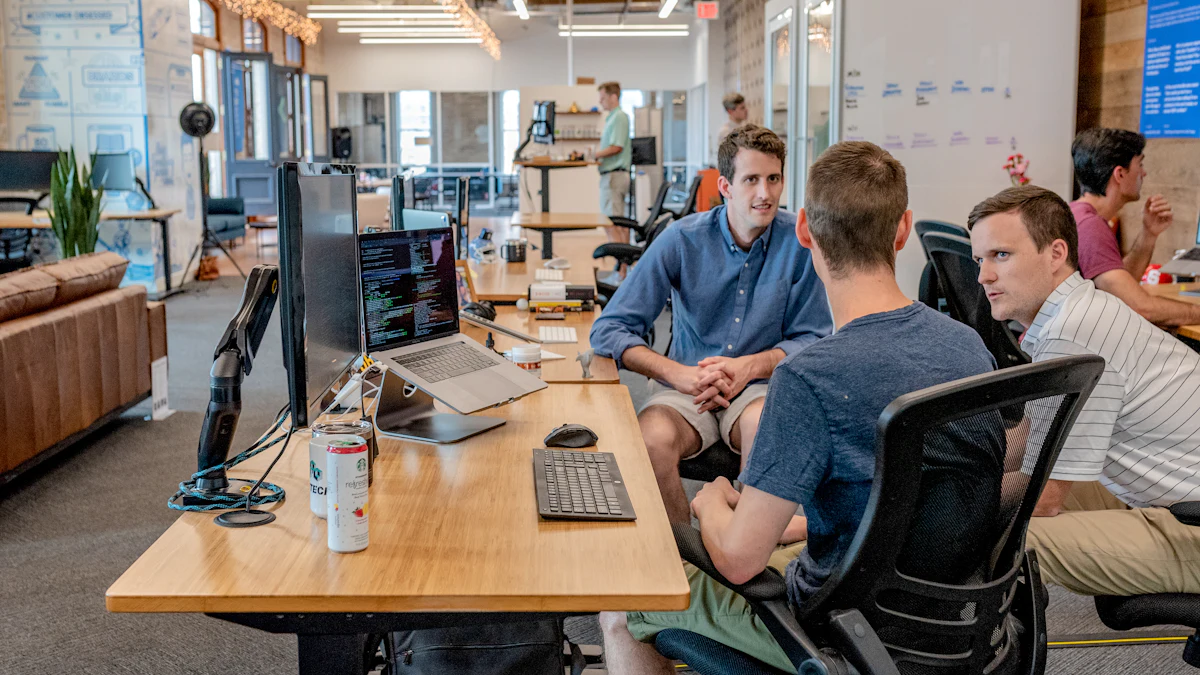
Choosing a web development company in India comes down to four things you can verify before signing: stack fit, communication, code ownership and post-launch support. Marketing pages and portfolio screenshots tell you very little, so this guide focuses on what a credible partner must actually prove — and the questions that expose the ones who cannot.
India has thousands of studios, from one-person freelancers to 500-person agencies. Most can build a website. Far fewer can take over a legacy codebase, migrate a store without losing SEO, or hand you clean, documented code you own outright. The difference rarely shows up in a proposal. It shows up three months after launch.
What "web development company in India" really covers
The label is used for wildly different businesses. Before comparing quotes, work out which of these you actually need:
- Marketing sites and CMS builds — WordPress, Webflow, headless CMS setups, multilingual corporate sites.
- E-commerce — Shopify and Shopify Plus, WooCommerce, Magento, custom storefronts, payment and marketplace integrations.
- Web applications — customer portals, dashboards, internal tools built on React, Next.js, Laravel, Django, NestJS or .NET.
- Mobile apps — Flutter or React Native cross-platform builds, plus native iOS and Android when the product demands it.
- Integrations and automation — CRM (Zoho, Salesforce, HubSpot), ERP, payments, shipping, and API work between systems that were never designed to talk.
A studio that is excellent at Shopify themes may be mediocre at a multi-tenant SaaS dashboard. Ask for the specific work, not the general claim. Our own website and mobile app development service is scoped the same way — the technology follows the requirement, not the other way round.
The five checks that separate real studios from resellers
Many "agencies" are really sales operations that subcontract everything. That is not automatically bad, but you should know which one you are hiring.
- Who writes the code? Ask for the names and roles of the people on your project. If the answer is a project manager only, the delivery team is elsewhere.
- Can they show a repo? A real studio can walk you through architecture decisions on a past project — why PostgreSQL over MongoDB, why headless over a monolith.
- Do they ask about your systems? A serious partner asks what CRM you use, who hosts your DNS and what your current site's Core Web Vitals look like. A reseller asks for your budget and sends a template.
- Is there a written scope? Deliverables, milestones, acceptance criteria, what happens when scope changes. In writing, before payment.
- What happens after launch? Named support terms, response windows, and whether maintenance is optional or mandatory.
A quick comparison
| Signal | Credible studio | Reseller |
|---|---|---|
| Team | Named developers you can meet | Sales contact only |
| Code | Handed over in your repo | Withheld or "on request" |
| Scope | Written, with change process | Verbal, price-first |
| Support | Defined post-launch terms | Disappears after invoice |
| References | Past clients who take the call | Logos only |
Stack fit: what should actually be built with what
Technology choice should follow your constraints: budget, existing systems, in-house skills and how fast the product will change. A short field guide:
- WordPress — content-heavy sites, blogs, marketing teams that need to publish without developers. Mature plugin ecosystem, but keep the plugin count low and performance monitored.
- Headless CMS (Strapi, Sanity, Contentful, Payload) — when you need a fast frontend (Next.js, Astro) plus structured content across web and app. More upfront work, better long-term flexibility.
- Shopify / Shopify Plus — commerce where checkout, payments and app ecosystem matter more than bespoke logic. Custom needs go into apps, not hacked themes.
- WooCommerce — commerce tightly coupled to WordPress content, or where you need full control of hosting and data.
- Laravel / Django / NestJS — custom web apps, portals and APIs with real business logic behind them.
- Next.js / React — dashboards, customer-facing apps, and any frontend that will grow feature by feature.
- Flutter / React Native — one codebase for iOS and Android when the app is mostly forms, lists and sync. Go native when you depend on platform-specific hardware or performance.
If a studio proposes the same stack for every project, that is a business model, not a recommendation. Ask them to argue against their own default.
Pricing models in India: what you are actually buying
Indian rates are competitive, but the model matters more than the hourly number.
- Fixed scope — good for well-defined builds: a corporate site, a Shopify theme, a defined migration. Insist on a change-request process, or the "fixed" price will drift.
- Retainer — a monthly block of hours for maintenance, improvements and support. Sensible once you are live and iterating.
- Dedicated developers — you direct the work, the studio handles employment, equipment and continuity. Works when you have technical leadership on your side; fails when you do not.
Be wary of quotes that are dramatically below the others with no explanation of what is excluded. Cheap usually means: no testing, no documentation, no handover, and a rebuild in year two.

Red flags worth walking away from
- No code ownership clause. You should own the repository, domain, hosting accounts and third-party subscriptions. Always.
- Vague timelines. "Around six weeks" without milestones or dependencies is not a plan.
- No staging environment. If changes go straight to production, expect outages.
- No post-launch support terms. Websites need updates, security patches and monitoring. Ask who does it and at what cost.
- Lock-in by obscurity. Custom page builders or proprietary admin panels nobody else can maintain.
- No accessibility or performance targets. Ask for a Lighthouse or Core Web Vitals target in the scope.
Questions to ask before you sign
Use this as a checklist in your first or second call:
- Who specifically will work on this, and what is their role?
- Can you show me a project where you took over someone else's code?
- What is your recommended stack for this brief, and what is the alternative?
- How do you handle scope changes — written change requests or hourly billing?
- Will the code be delivered in my repository with documentation?
- What are the acceptance criteria for "done"?
- What does support cost after launch, and what is the response time?
- Who owns the domain, hosting and third-party accounts during the build?
- What happens if the project is paused or cancelled mid-way?
- Can I speak to two past clients?
A partner who answers these directly, in writing, is worth a longer conversation. One who deflects is telling you something useful.
Where AI fits into the build
AI is now part of most web projects, and it is worth asking how a studio handles it. Sensible use looks like: AI drafting product copy or SEO fields for human review, support chatbots grounded in your own documentation, and agents that move data between your CRM and store. The rule that keeps this safe is simple — AI proposes, a person approves, nothing goes live unreviewed. If a studio promises fully autonomous publishing into your production catalogue, ask what happens when it is wrong.
The short version
Pick the studio that can explain its trade-offs, names the people doing the work, hands over the code and stays reachable after launch. Compare two or three on those criteria rather than on price alone, and put ownership and support in the contract. If you want to talk through a specific brief — a site, a store, an app or an integration — send us the details and we will tell you what we would build and why.
Related reading
Frequently asked questions
How much does a website cost from a web development company in India?
It depends on scope, not location. A small marketing site, a Shopify store and a custom web app sit in completely different ranges. Ask for a written scope with deliverables and milestones, then compare quotes against that same scope — otherwise the numbers are not comparable.
Should I hire an Indian agency or a freelancer?
A freelancer can be excellent value for a well-defined, single-technology project. Choose a company when you need several skills at once (design, backend, mobile, DevOps), continuity if one person leaves, or a contract with formal support terms.
Will I own the code and accounts?
You should, and it should be written into the contract. That means the source repository, domain, hosting, and all third-party subscriptions in your name. Ask this before signing, not after launch.
How do Indian studios handle time zones and communication?
Most overlap a few hours with European or US working time and communicate over email, Slack and scheduled calls. Agree on a fixed weekly check-in, a shared task board and a written status update so progress is visible without chasing.
What happens after the website goes live?
Expect updates, security patches, backups and monitoring. Ask whether maintenance is included for a period, what a retainer costs, and what the response time is for a critical issue such as the site being down.
Can a studio take over an existing project?
Yes, and it is a good test of competence. Ask how they handle a code audit, documentation and a staged handover. A partner who insists on rebuilding from scratch without explaining why is worth questioning.
Ready to compare partners properly?
Send us your brief — site, store, app or integration — and we will tell you what we would build, with which stack, and why. No obligation.