
Web Development Company in Coimbatore: How to Choose
A practical vetting framework for Coimbatore businesses comparing web development firms—beyond portfolio screenshots. Learn what to ask, red flags, and fair pricing.
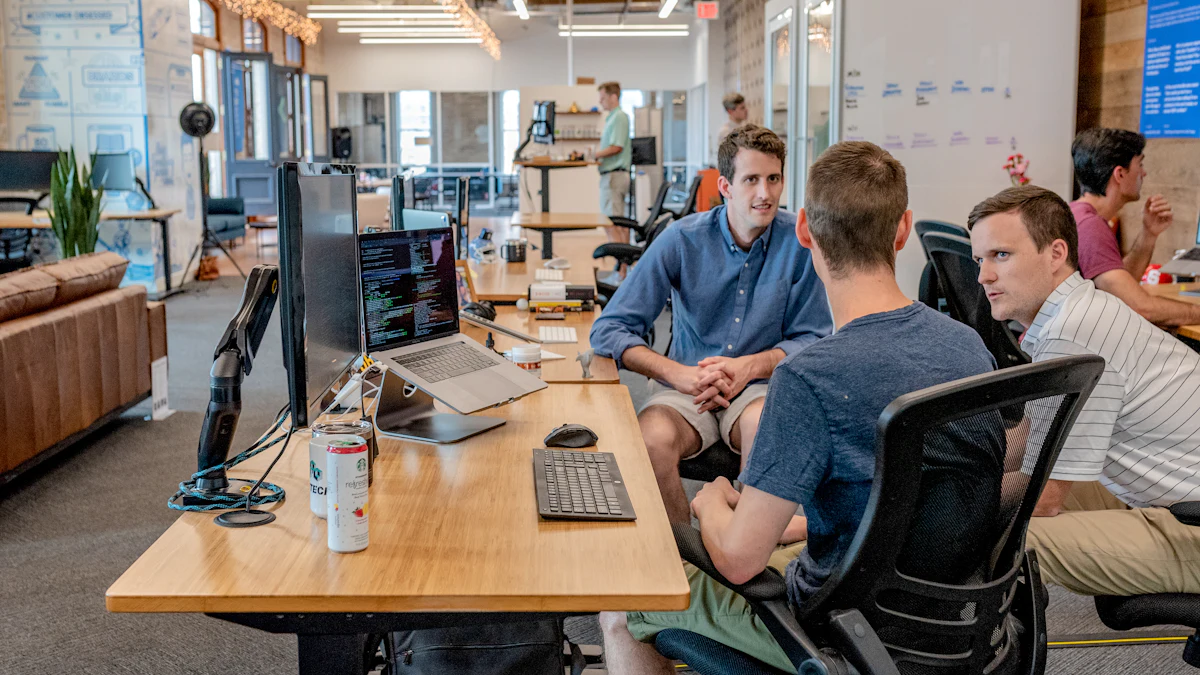
Choosing a web development company in Coimbatore is not about who has the flashiest portfolio—it's about who can deliver a site that loads fast, ranks, converts, and stays maintainable after launch. This guide gives you a practical vetting framework: what to ask, what to ignore, and how to compare quotes fairly. Whether you're a Shopify merchant, an ops manager, or a CTO, you'll finish with a clear checklist to separate real capability from sales polish.
What Coimbatore businesses actually need from a web partner
Most local businesses don't need a custom-built CMS from scratch. They need a partner who can pick the right tool for the job—WordPress for content-heavy corporate sites, Shopify for retail, or a headless setup when speed and multi-channel publishing matter. The key is fit, not novelty.
A good partner will ask about your existing systems (CRM, ERP, inventory) before proposing a stack. If they lead with a template and a price before understanding your workflows, that's a warning sign.
Here's what to prioritise:
- Speed and Core Web Vitals – Google uses page experience as a ranking signal. Ask for real Lighthouse scores on live sites, not lab tests.
- SEO fundamentals – clean URLs, schema, sitemaps, and editable meta fields. If the CMS fights you on SEO, you'll pay later.
- Integration readiness – payment gateways, shipping, CRM (Zoho, HubSpot), and accounting. Coimbatore manufacturers and exporters often need Zoho or ERP links.
- Mobile-first – most local traffic is mobile. Check how their portfolio sites behave on a phone, not just desktop.
If you need a partner who covers websites, mobile apps, and integrations under one roof, see our web and mobile development services.
Portfolio vs. proof: questions that reveal real capability
A portfolio shows screenshots. Proof shows outcomes. Ask these questions and listen for specifics:
- Can you share a live site you built and maintain? Then run it through PageSpeed Insights yourself. Look for scores above 80 on mobile.
- What was your role on this project? Design only? Development? Ongoing support? Many agencies subcontract; you want to know who actually writes code.
- Can I speak to a past client? A confident partner will connect you. If they hesitate, dig deeper.
- What broke after launch, and how did you fix it? Real partners have war stories and processes.
- Who owns the code and accounts? You should own the hosting, domain, and repository. If they insist on holding everything, walk away.
Red flag: a portfolio full of beautiful designs but no measurable results (traffic, conversion, load time).
Tech stack fit: WordPress, Shopify, headless or custom
There's no single best stack—only the right fit for your content model, team skills, and budget. Use this comparison as a starting point:
| Stack | Best for | Watch-outs |
|---|---|---|
| WordPress | Content-heavy sites, blogs, corporate pages | Plugin bloat, security maintenance |
| Shopify | Retail, D2C, multi-channel selling | App costs, checkout customisation limits |
| Headless (Next.js + CMS) | Speed-critical sites, multi-channel content | Higher upfront cost, needs dev support |
| Custom (Laravel, Node) | Complex workflows, unique integrations | Long timelines, ongoing dev dependency |
Ask the agency to justify their recommendation in writing. If they propose headless for a five-page brochure site, question the budget. If they propose WordPress for a 5,000-SKU store with complex shipping rules, question the fit.
For Shopify merchants, also ask about app development and integrations—custom private apps can solve problems that off-the-shelf apps can't. Our products page shows how we approach ready-made and custom Shopify apps.

Pricing models and what a fair quote looks like
Local quotes vary widely. A fair quote is itemised, tied to scope, and separates build from maintenance. Here's what to expect:
- Fixed-price project – good for well-defined scope (e.g., 10-page corporate site). Insist on a written scope and change-request process.
- Time and materials – suitable for evolving projects. Ask for weekly updates and a cap.
- Retainer – for ongoing maintenance, security updates, and small changes. Typical range: a few hours to a full day per month.
A fair quote includes:
- Discovery and sitemap
- Design revisions (how many rounds?)
- Development and QA
- Content migration
- Training and handover
- Post-launch support window (30–90 days is common)
If a quote is suspiciously low, ask what's excluded: SEO setup, speed optimisation, security, backups, and training are often left out.
Red flags in local agency pitches
Watch for these during conversations:
- Guaranteed #1 Google ranking – no one can guarantee rankings. SEO is a process, not a promise.
- No written scope – if it's not in the proposal, it's not included.
- Vague timelines – “2–3 months” without milestones is a warning.
- No staging environment – you should review work before it goes live.
- Hosting lock-in – if they won't let you own the hosting account, you're stuck.
- No post-launch plan – websites need updates, backups, and monitoring.
- Pressure tactics – “sign today for a discount” rarely ends well.
Handover, maintenance and long-term support
A good handover includes:
- Admin access to CMS, hosting, and domain
- Documentation for custom features
- A short training session (recorded)
- Backup and update schedule
- A named contact for support
Ask about response times and what's covered in maintenance. Security patches and backups are non-negotiable. If you're on Shopify, maintenance is lighter, but app updates and theme changes still need attention.
Long-term, you want a partner who can scale with you—adding integrations, building mobile apps, or automating workflows with AI. That's where a full-service team beats a one-person shop.
Ready to compare? Use the checklist above, ask for proof, and insist on ownership. If you'd like to discuss your project with a team that builds with any mainstream stack and hands over cleanly, get in touch.
Related reading
Frequently asked questions
How much does a website cost in Coimbatore?
It depends on scope. A simple brochure site might start around ₹30,000–₹60,000, while e-commerce or custom web apps can range from ₹1 lakh to several lakhs. Always ask for an itemised quote and clarify what's included (SEO, speed optimisation, training, support).
How long does it take to build a website?
A typical corporate site takes 4–8 weeks; e-commerce or custom projects can take 2–4 months. Timelines depend on content readiness, feedback speed, and integrations. Insist on a milestone schedule.
Should I choose a local agency or an online one?
Local agencies offer face-to-face meetings, which help with trust and quick clarifications. Online agencies may be cheaper or more specialised. What matters most is proof of work, clear communication, and a written scope—not location.
What questions should I ask before hiring?
Ask for live site examples and run speed tests, request client references, clarify who owns the code and accounts, ask about post-launch support, and get a detailed scope with revision limits.
Do I need to pay for maintenance after launch?
Yes, most sites need ongoing updates, security patches, and backups. Expect a monthly retainer or a pay-per-task arrangement. Clarify response times and what's covered.
Can you work with our existing Zoho or Shopify setup?
Yes. Many Coimbatore businesses use Zoho CRM or Shopify. A capable partner can integrate with these systems, migrate data, and build custom apps or automations as needed.
Ready to vet your next web partner?
Use this checklist to ask better questions. If you want a team that builds with the right stack, hands over cleanly, and supports you long-term, let's talk.