
Trend-to-Store: A Shopify App Idea That Turns Search Trends Into Products, Content and Prices
A Shopify app concept that spots trending products in your niche and region, imports them as drafts, writes SEO blog posts and keeps prices competitive, all in one loop.
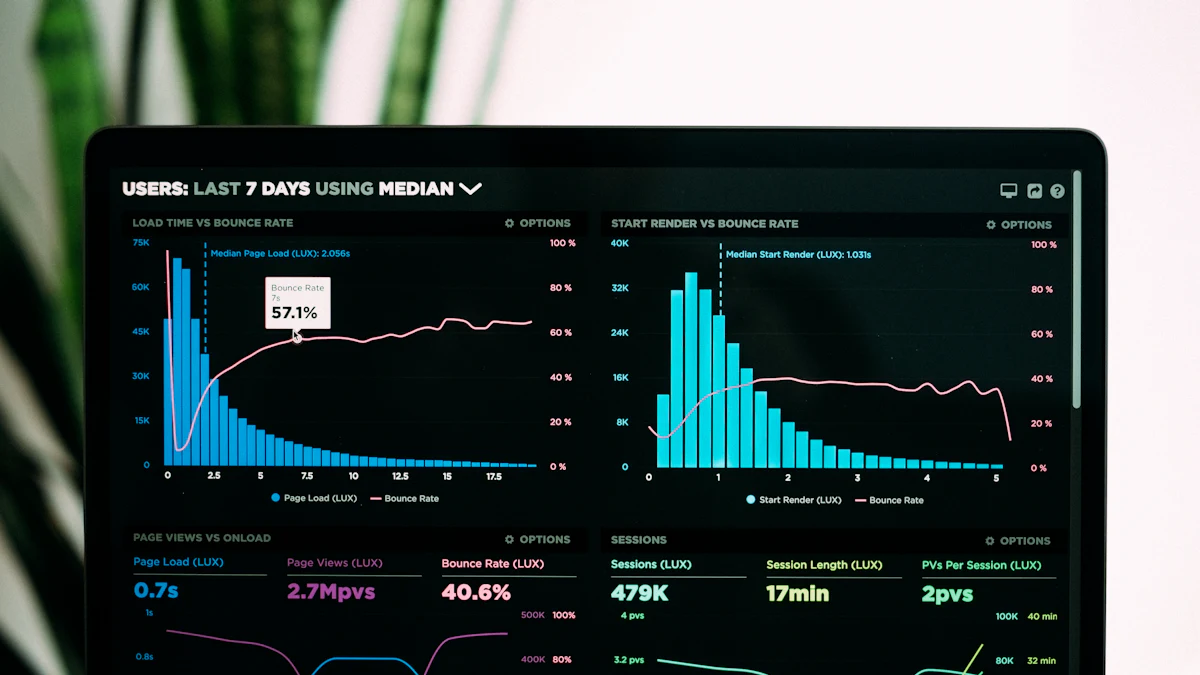
A Shopify app concept we've been exploring. It isn't a product yet, just an idea we think is worth building.
The problem: four tools, four tabs, one tired merchant
Here's how a typical dropshipper or small Shopify merchant reacts to a trend today:
- Spot a rising product, usually from TikTok, Google Trends or a product-research tool.
- Hunt for a supplier, copy the product details and fix the images.
- Write product descriptions and maybe a blog post so the item can rank.
- Check competitor prices, set a price, then forget to update it for weeks.
Each step usually means a different app with its own subscription and dashboard. The trend often peaks before the product goes live, and by the time the merchant checks pricing again, the margin is gone.
The tools are good on their own. The trouble is that nothing connects them.
The idea
Trend-to-Store is a Shopify app that closes the loop:
Pick your niche and market → see what's trending → import it as a draft → publish SEO content → keep the price right automatically.
The merchant sets three things once: their niche (pet supplies, home fitness, beauty…), their target region (US, UK…), and their minimum margin. The app does the rest and keeps the merchant in charge of every publish and price change.
How it would work
1. Trend Radar
The app pulls search demand and shopping data for the merchant's niche and region every day, then ranks products by growth rather than raw volume. A product searched 5,000 times this month, up from 800, matters more than one searched 50,000 times with flat demand.
Each trend card shows:
- Search growth over the last 30 and 90 days
- Seasonality, so you can tell a lasting trend from a holiday spike
- How crowded the market is (number of sellers and price spread)
- A simple opportunity score
2. One-click product drafts
For each trend, the app finds matching items from supplier catalogs, starting with dropshipping suppliers such as CJ Dropshipping. It then creates a draft product in Shopify with the title, variants, images, cost and a suggested price already filled in.
Nothing goes live without the merchant's approval.
3. SEO content that matches the trend
A trending product only sells if people can find it. For every imported product, the app drafts:
- An optimized product title and description
- A blog post aimed at the actual search phrases behind the trend (for example "best self-cleaning cat litter box 2026")
- Internal links between the post and the product page
The merchant reviews and publishes. The goal is useful, specific content, not keyword-stuffed filler.
4. Competitor-aware pricing with guardrails
The app tracks prices for the same or similar products on Google Shopping and suggests a price based on rules the merchant sets:
- "Stay 5% below the median competitor price"
- "Never go below a 30% margin"
- "Never change a price by more than 10% in one day"
Merchants can approve each suggestion or let the app apply changes automatically within those limits. The margin floor is fixed, so the app never sells at a loss to chase a trend.
5. Results by trend
The app ties orders back to the trend that produced each product, so merchants can see which trends paid off and which didn't. Over time, this makes the recommendations smarter for each store.
Who it's for
- Dropshippers who test many products and need speed
- Small niche stores that want to grow their catalog without a full-time researcher
- Agencies running several Shopify stores that need a repeatable launch process

Why now
- Trend cycles are shorter. Social commerce can turn a product from unknown to sold out in days. Merchants who react in weeks miss the window.
- Search data is easier to get. Trend and shopping data is now available through APIs, and Google has started offering an official Trends API.
- AI content is cheap, so quality matters more. Generic AI text is everywhere. Content written for the exact searches behind a trend stands out.
- Shopify's APIs support it. Draft products, bulk product creation, blogs and pricing can all be handled through the Admin API, so the whole loop fits inside the Shopify admin.
What makes it different
Most existing apps cover one part of the job: product research, blog writing or price monitoring. Trend-to-Store connects them, so a trend becomes a product, the product gets content, and the price stays competitive without the merchant switching tools.
It is also built around niche and region from the start. A trend in UK pet supplies is not the same as a trend in US pet supplies, and the app treats them separately.
Possible business model
| Plan | Who it's for | What's included |
|---|---|---|
| Free | Curious merchants | Trend Radar for one niche, limited trend cards |
| Starter | New dropshippers | Product drafts and SEO content, limited monthly imports |
| Growth | Established stores | Automatic pricing rules, several niches, results by trend |
| Agency | Multi-store operators | Multiple stores, team access, priority data refresh |
Risks we'd plan for
- Content quality: every AI draft goes through human review, and the app prioritizes specific, factual content over volume.
- Intellectual property: trending products often include branded or copied designs. The app would flag likely trademark issues and avoid importing protected images.
- Pricing mistakes: strict margin floors, daily change limits and a full price history with one-click undo.
- Currency and regions: supplier costs are often in USD, so stores selling in GBP or EUR need accurate currency conversion before pricing.
- Churn: dropshippers often switch tools. The results-by-trend reports are there to show clear value every month.
Where it could go next
- More regions, including the EU and Southeast Asia with marketplace data from Shopee, Lazada and TikTok Shop
- More suppliers, plus support for a merchant's own catalog
- Ad creative suggestions for each trending product
- Alerts when a trend is fading, so merchants can clear stock before demand drops
Want to build something like this?
Trend-to-Store is a concept, not a product we're selling. If you're a merchant, founder or agency who wants to turn an idea like this into a working Shopify app, we'd be glad to help.