
Mobile App Development Cost in India 2026: Real Numbers
A practical 2026 breakdown of mobile app development cost in India: what drives the budget, Flutter vs native trade-offs, price bands and ongoing costs.
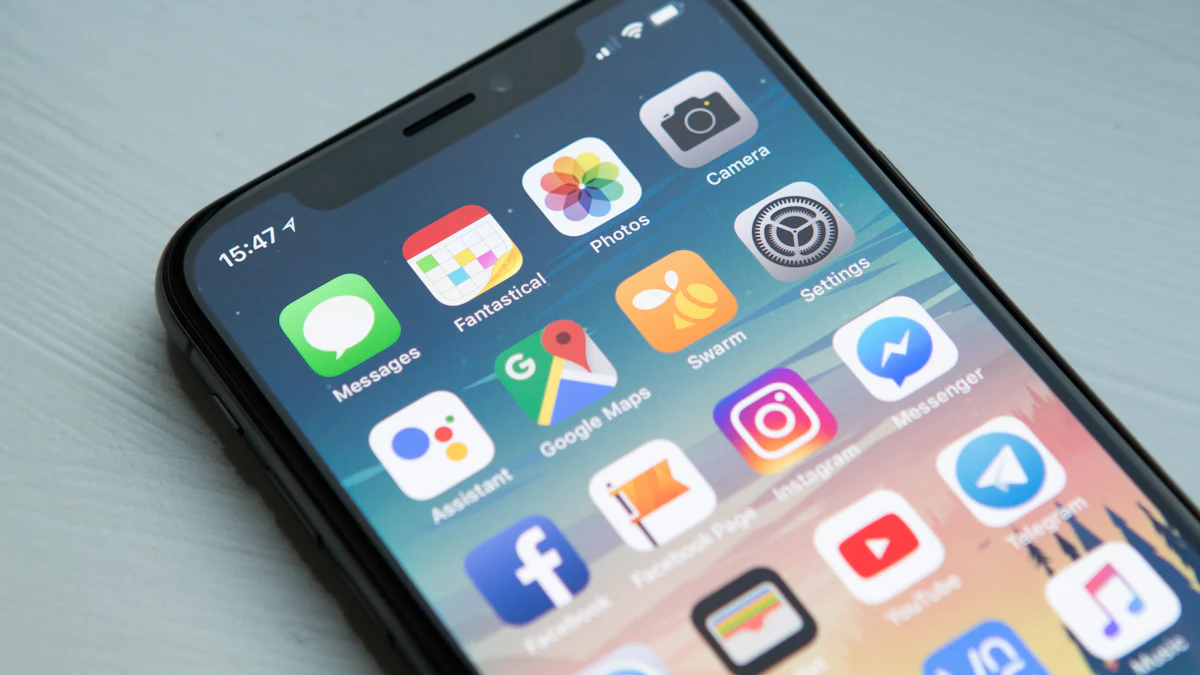
Mobile app development cost in India 2026 ranges from roughly ₹2.5–6 lakh for a focused MVP to ₹25 lakh+ for a complex, integrated product — and the number moves mostly with scope, not with the developer's city. If you are budgeting right now, the useful question is not "what does an app cost?" but "which decisions am I paying for, and which can I defer?"
This guide breaks the budget into the parts that actually change it: platforms, features, integrations, compliance and the Flutter vs native choice. It is written for founders, ops managers and CTOs who want a defensible number before they talk to a team — including ours. If you want to see how we scope and phase builds, start with our web and mobile development service.
What actually drives mobile app development cost in India in 2026
Five variables explain most of the variance in quotes you will receive.
1. Scope and feature depth
A login screen is cheap. A login screen with OTP, social sign-in, role-based permissions, session management and audit logs is not. Cost scales with the number of distinct user flows, not with the number of screens.
2. Platforms
iOS only, Android only, or both. Cross-platform frameworks let one codebase serve both stores, which is usually the single biggest lever on total cost.
3. Backend and integrations
Does the app talk to an existing ERP, CRM or store, or does it need a new backend? Payment gateways, shipping APIs, Zoho CRM, Shopify, Salesforce, Google Workspace and Microsoft 365 integrations each add design, build and testing work.
4. Compliance and store requirements
Health data, payments, children's data and financial services bring extra requirements. App Store and Google Play review also demand privacy disclosures, account deletion flows and accessibility basics — small items that add up.
5. Team and engagement model
A dedicated team on a monthly retainer, a fixed-scope project quote and an hourly engagement produce very different totals for the same app. Ask which model the quote assumes.
Flutter vs native iOS and Android: how the choice changes the budget
This is the decision that most often separates a ₹4 lakh build from a ₹12 lakh build.
| Approach | Codebases | Typical cost impact | Best when |
|---|---|---|---|
| Flutter (cross-platform) | One | Lowest for iOS + Android together | You need both stores, standard device features, fast iteration |
| React Native | One | Similar to Flutter | Your team is already JavaScript/TypeScript |
| Native iOS (Swift/SwiftUI) | One per platform | Highest total for two platforms | Heavy use of new Apple APIs, AR, advanced camera or performance work |
| Native Android (Kotlin/Compose) | One per platform | Highest total for two platforms | Deep Android hardware or OS-level integration |
| PWA | One web codebase | Lowest of all | Content, portals and light transactions; no store presence needed |
In practice, most Indian businesses shipping to both stores in 2026 should start with Flutter or React Native, then go native only for the specific module that needs it. That hybrid route keeps one codebase for 90% of the app and pays native prices only where native performance is genuinely required.
Typical 2026 price bands in India
Treat these as planning ranges, not quotes. They assume an Indian team, English-language UI, and a standard design system rather than a bespoke brand experience.
MVP (validate the idea)
- ₹2.5–6 lakh
- 6–12 core screens, one user role, basic auth, one integration
- 6–10 weeks
- Goal: put it in front of real users and learn
V1 (public launch)
- ₹6–15 lakh
- 15–30 screens, multiple roles, payments, notifications, analytics, admin panel
- 3–5 months
- Goal: a product you can market and support
Full product (scale and integrate)
- ₹15–40 lakh+
- Complex workflows, real-time features, ERP/CRM integration, offline mode, advanced security, custom backend
- 5–9+ months
- Goal: a system the business runs on
Add-ons that shift the number
- Payment gateway integration: adds design, reconciliation and testing work
- Zoho CRM, Shopify or ERP sync: depends on how clean the existing data is
- AI features (chat, agents, RAG over documents): a separate scope with its own model and hosting costs
- Multi-language support: multiplies content and QA work
- Dedicated team vs fixed scope: changes cash flow and risk, not just price

Ongoing costs people forget to budget for
Development is the entry fee. Plan for these from day one.
- Apple Developer Program and Google Play fees: annual, per account
- Hosting and cloud: AWS, Google Cloud, Azure, Vercel or DigitalOcean — scales with users, not with your launch date
- Database and storage: PostgreSQL, MySQL, MongoDB, Firebase or Supabase, plus backups
- Third-party services: SMS/OTP, email, push, maps, analytics, payment processing fees
- Maintenance and updates: OS releases, store policy changes, dependency upgrades, bug fixes
- Support: monitoring, incident response and small feature requests
A useful rule of thumb: budget 15–25% of the initial build cost per year for maintenance and infrastructure, more if you ship frequently.
How to cut mobile app development cost in India without cutting quality
A checklist that consistently works:
- Ship one platform first. Launch on the platform your users actually use, then add the second once retention is proven.
- Use Flutter or React Native for the shared 90%. Go native only for the module that needs it.
- Reuse your existing systems. If you already run Zoho CRM, Shopify or an ERP, integrate instead of rebuilding.
- Buy before you build. Auth, payments, analytics, chat and push all have mature providers.
- Design for a component library. A consistent design system reduces UI build and QA time across every screen.
- Phase the roadmap. MVP, then V1, then scale — each phase funded by what the previous one proved.
- Keep the backend boring. A well-understood stack (Node.js, Laravel, Django, PostgreSQL) is cheaper to build, host and hand over than an exotic one.
- Automate testing and releases. CI/CD, Docker and monitoring reduce the cost of every future change.
- Write down acceptance criteria. Ambiguity is the most expensive line item in any project.
- Do not skip store compliance. A rejected build costs more than doing it right the first time.
How we quote and phase mobile app projects
We do not quote from a feature list alone. Our process is:
- Discovery call. What the app must do, who uses it, what systems it must talk to.
- Scope document. User roles, flows, integrations, platforms, out-of-scope items, acceptance criteria.
- Phased quote. MVP, V1 and scale priced separately so you can stop, continue or re-prioritise at each gate.
- Build in sprints. Working software every sprint, reviewed by you.
- Store submission. iOS and Android publishing, privacy disclosures and review handling.
- Handover or long-term support. Documentation, source code and a maintenance plan if you want one.
We build with any mainstream stack — Flutter, React Native, native Swift and Kotlin, plus the backend and integrations your project needs. Our approach is consistent across everything we ship: AI and automation propose, you approve, nothing goes live without your review.
If you want a real number for your app rather than a range, send us the scope. We reply as soon as possible.
Related reading
Frequently asked questions
How much does it cost to develop a mobile app in India in 2026?
A focused MVP typically falls in the ₹2.5–6 lakh range, a public-launch V1 in ₹6–15 lakh, and a complex integrated product can exceed ₹15–40 lakh. The final figure depends on platforms, features, integrations and compliance requirements rather than on the city your team sits in.
Is Flutter cheaper than native iOS and Android development?
For apps that need both stores, yes — usually by a wide margin, because one codebase replaces two. Native still makes sense when you rely heavily on new platform APIs, advanced camera or AR features, or OS-level hardware access. A hybrid approach, Flutter for most screens and native for one module, often gives the best cost-to-performance ratio.
What ongoing costs should I budget after launch?
Plan for annual Apple and Google developer fees, cloud hosting and database costs, third-party services like OTP, email, push and payments, plus maintenance for OS updates, store policy changes and bug fixes. A common planning figure is 15–25% of the initial build cost per year.
How long does it take to build an app in India?
An MVP usually takes 6–10 weeks, a V1 with payments, notifications and an admin panel takes 3–5 months, and a full product with complex workflows and integrations takes 5–9 months or more. Timelines assume a defined scope and timely feedback from your side.
Can you integrate the app with our existing Zoho CRM, Shopify store or ERP?
Yes. We connect apps to Zoho CRM, Creator, Projects and Bookings, Shopify, Salesforce, HubSpot, Odoo, SAP and other systems through REST, GraphQL, webhooks or automation tools. The integration effort depends mainly on how clean and accessible your existing data is.
How do we get an accurate quote instead of a range?
Send us the user roles, core flows, required integrations and target platforms. We turn that into a scope document with acceptance criteria and a phased quote, so you can see exactly what each stage costs before committing to the next one.
Get a real number for your app
Send us your scope — platforms, core flows and integrations — and we will come back with a phased quote for MVP, V1 and scale. No obligation, no padded estimates.